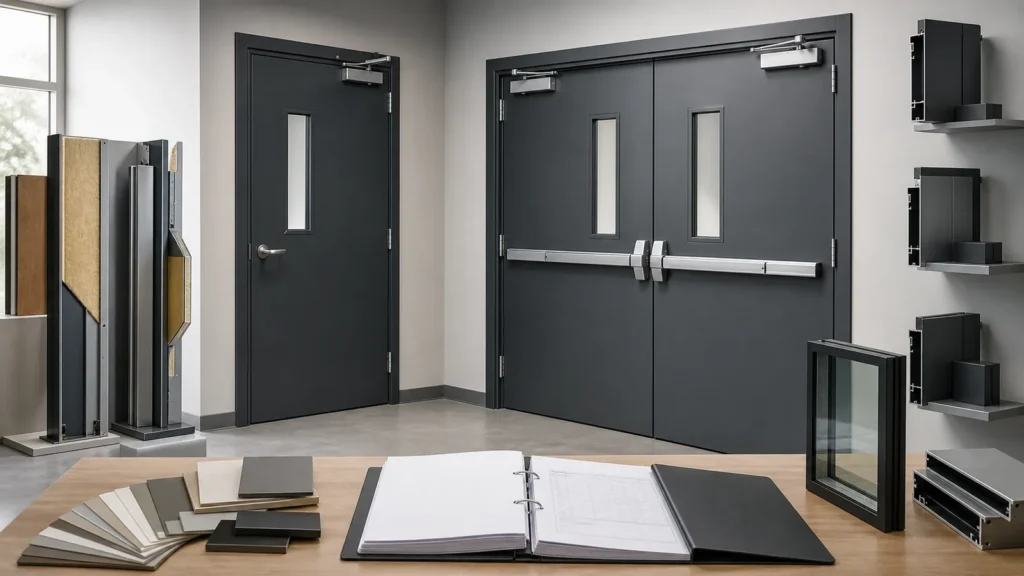
Replacement Fire Doors for Existing Openings: What to Field-Verify
Field-verify frame opening, hinges, locks, clearances, labels, glazing and wall condition before ordering replacement fire doors.

Field-verify frame opening, hinges, locks, clearances, labels, glazing and wall condition before ordering replacement fire doors.
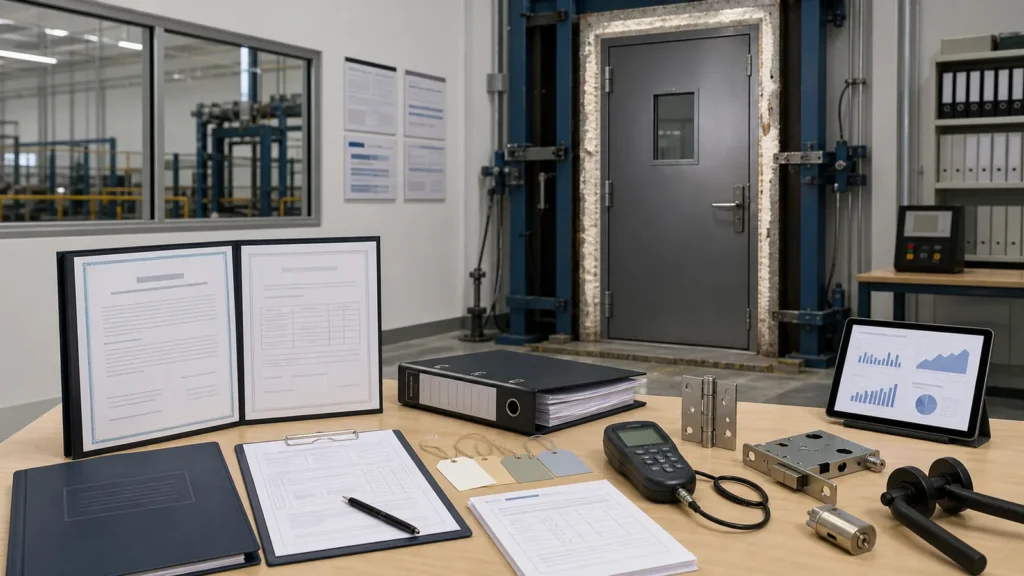
Build a fire door maintenance plan covering inventory, functional checks, repairs, labels, records and annual inspection readiness.
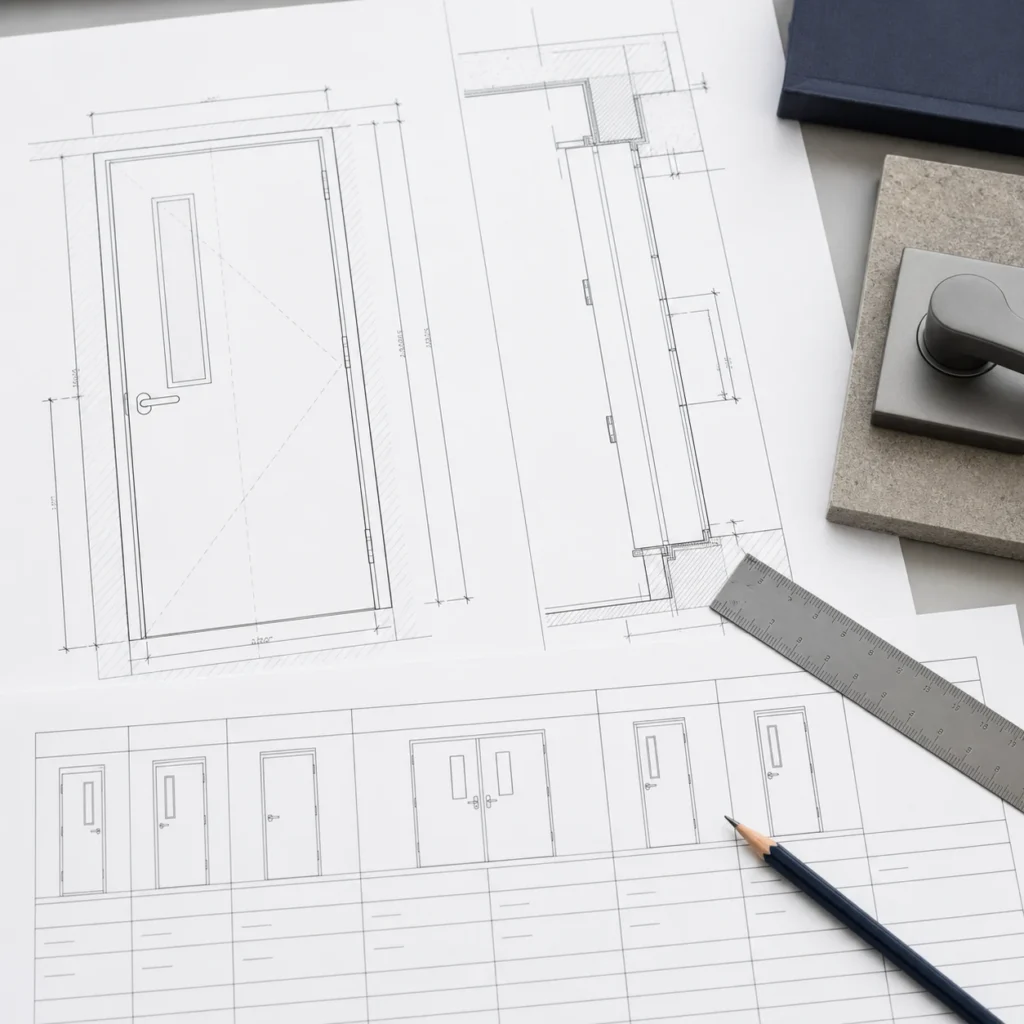
Review commercial door shop drawings for opening marks, dimensions, wall interfaces, ratings, preparations, finishes and revision control.
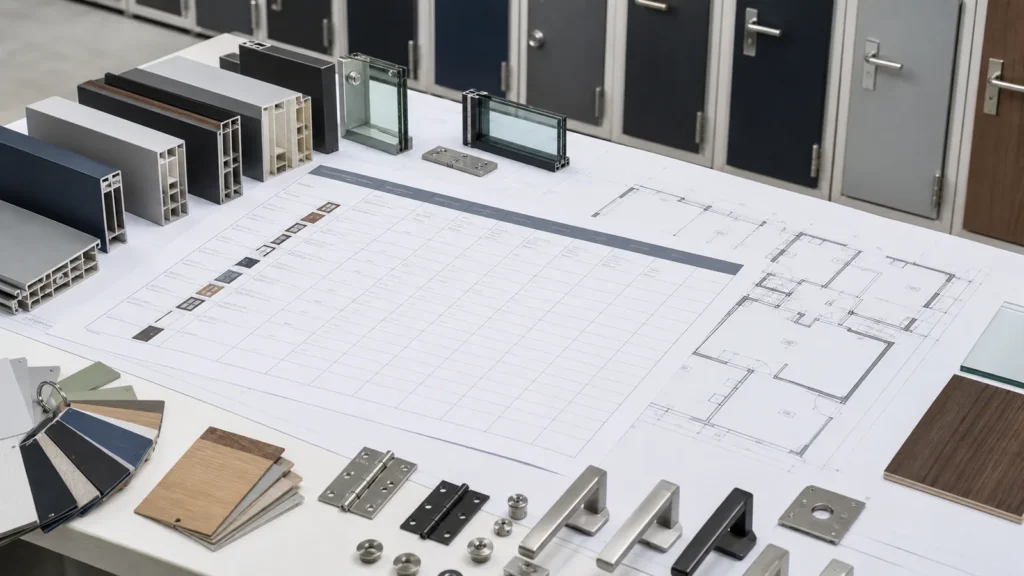
Build a reliable commercial door takeoff from plans, schedules, elevations, wall types, specifications and hardware sets.
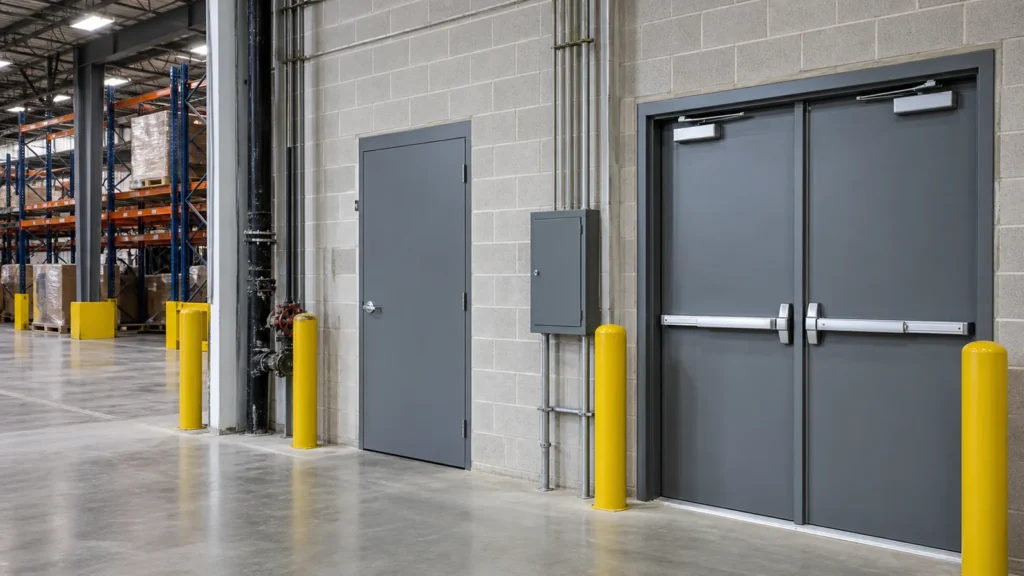
Plan warehouse personnel doors for high cycles, impact, egress, access control, exterior exposure and maintainable hardware.
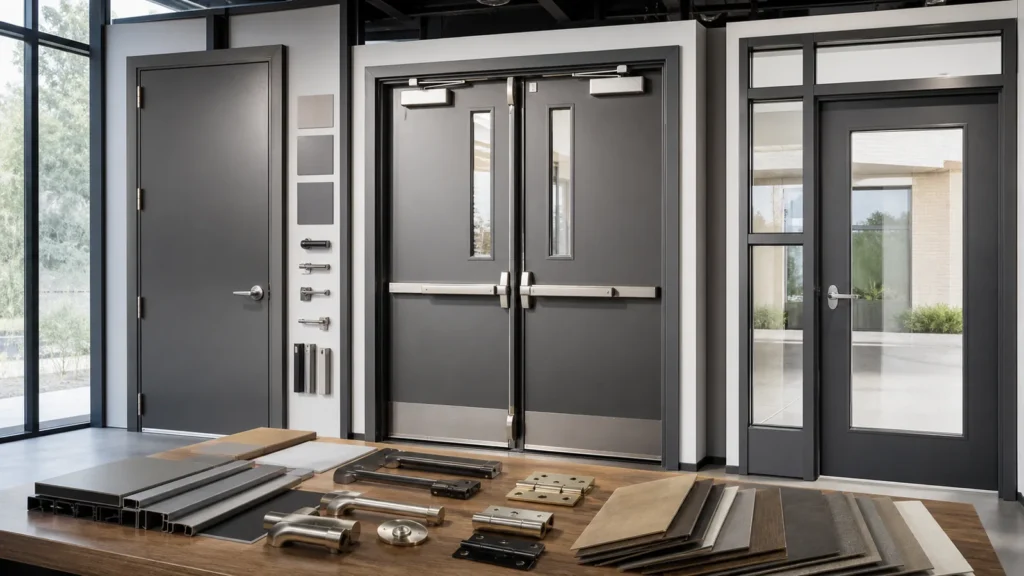
Specify corrosion-resistant steel doors with suitable substrate, zinc coating, finish, hardware, drainage and maintenance.

Compare hermetic and standard cleanroom doors by leakage target, room pressure, seals, operation, cleaning and validation.
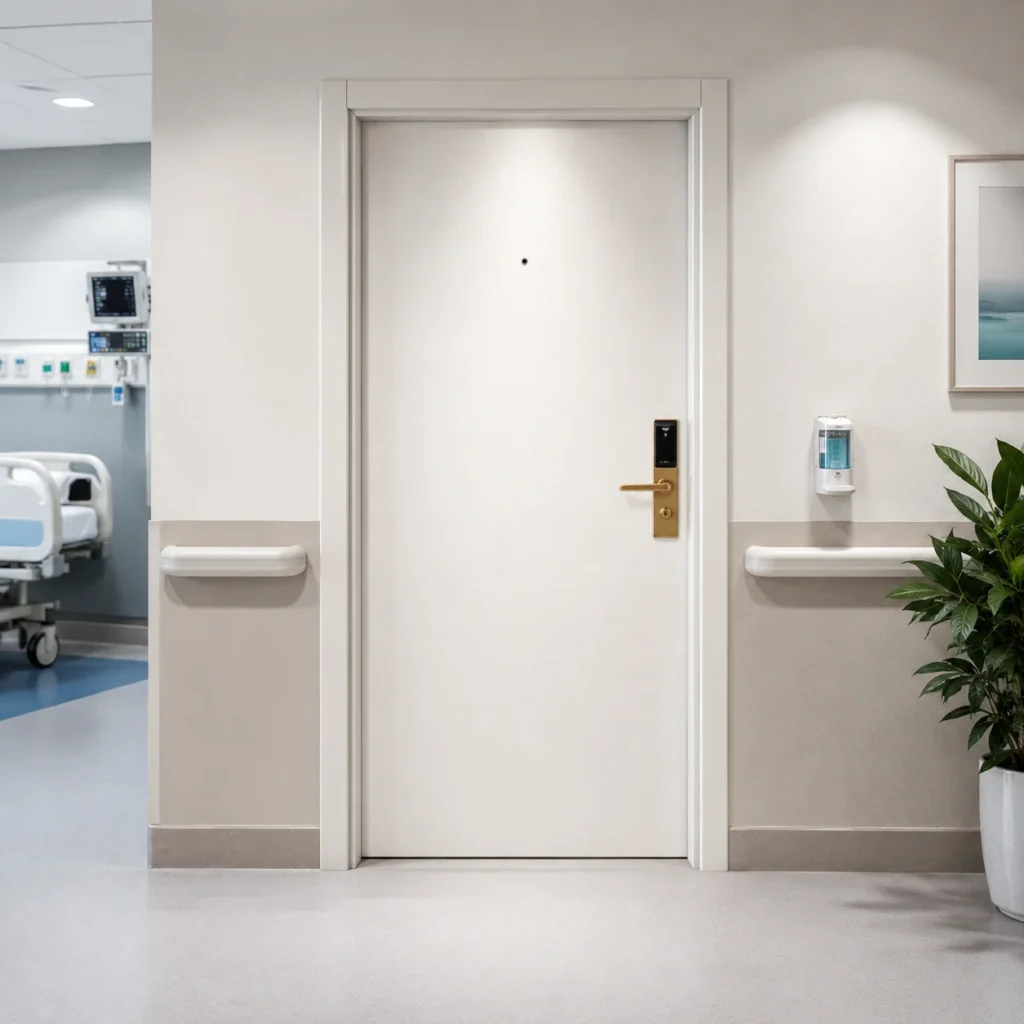
Specify hospital corridor doors for beds, carts, cleaning, vision, fire and smoke functions, accessibility and hardware durability.
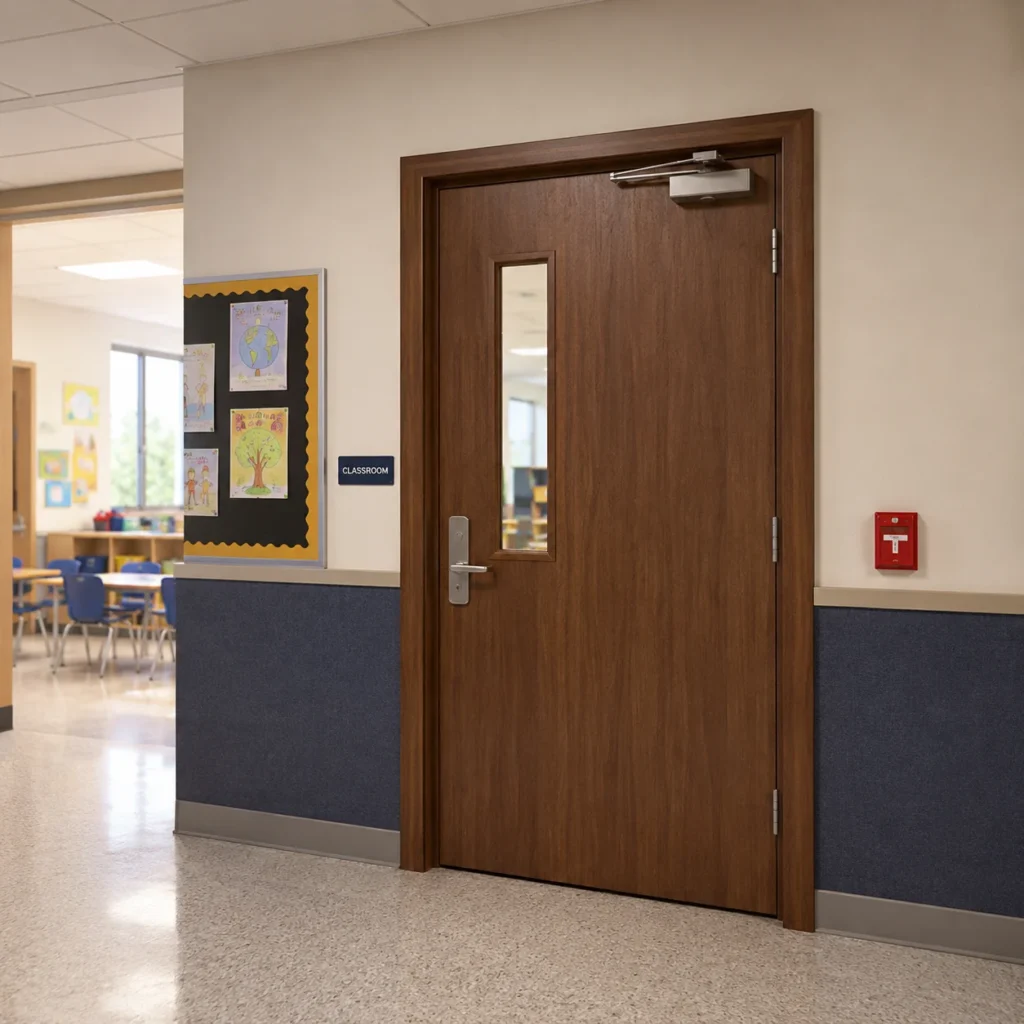
Coordinate school lockdown hardware with free egress, fire ratings, access control, staff procedures and emergency response.
Choose insulated exterior steel doors by tested U-factor, core, thermal bridging, seals, glazing and condensation risk.