
Factory loading record 路 Canada
This shipment record follows a batch of UL-certified fire doors prepared and container-loaded for delivery to Canada. The photographs document the real loading sequence at the factory鈥攆rom protected door packages entering the container to the final secured arrangement.
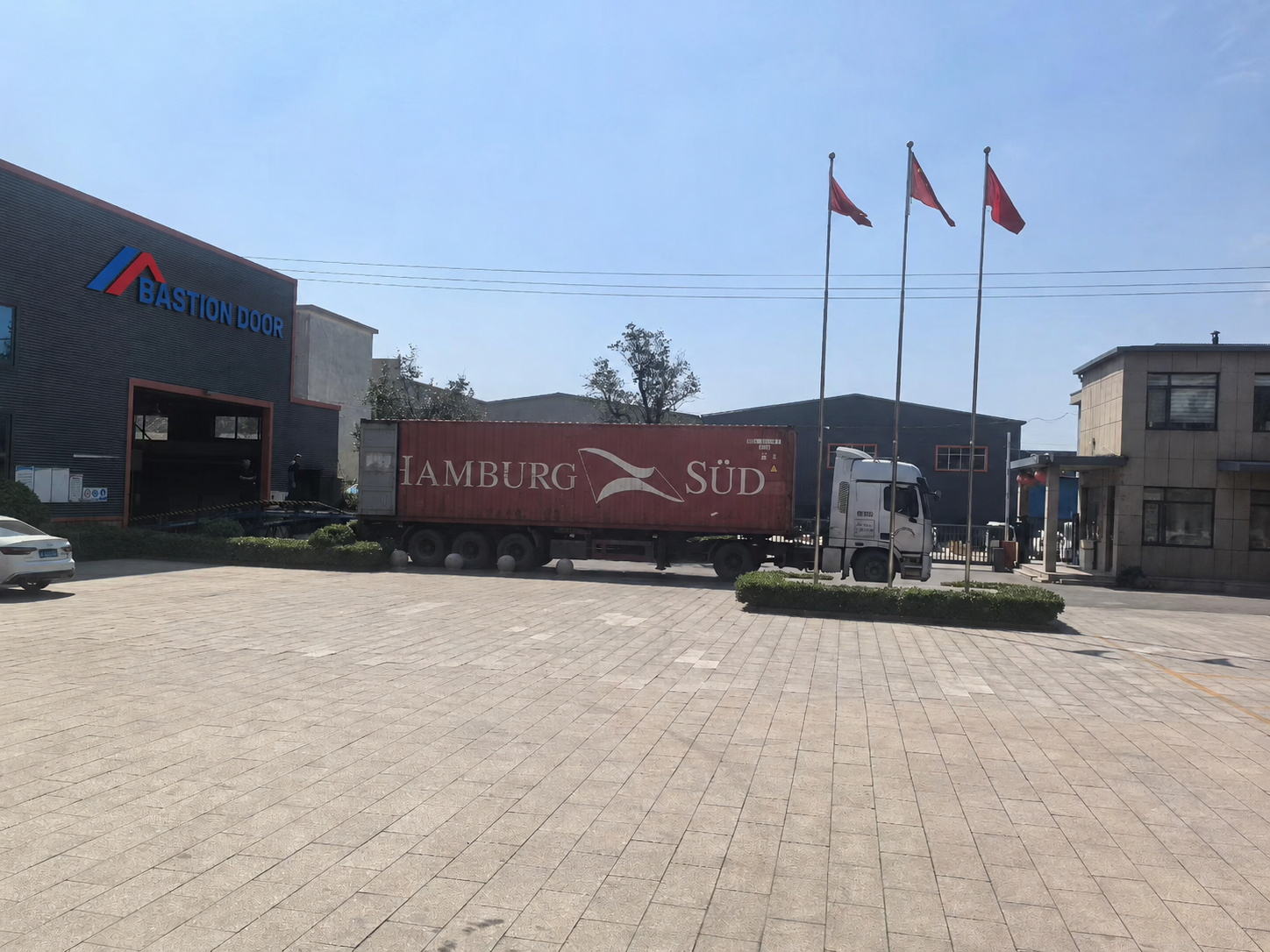
What a Canadian fire-door order must coordinate
A fire-door shipment is not defined by the door leaf alone. For Canadian commercial and institutional projects, the opening schedule must coordinate the tested or listed assembly, the label requirements, frame, glazing, hardware preparation, wall construction and installation conditions. These decisions should be confirmed before production鈥攏ot after the container arrives.
Real loading sequence for the Canada shipment
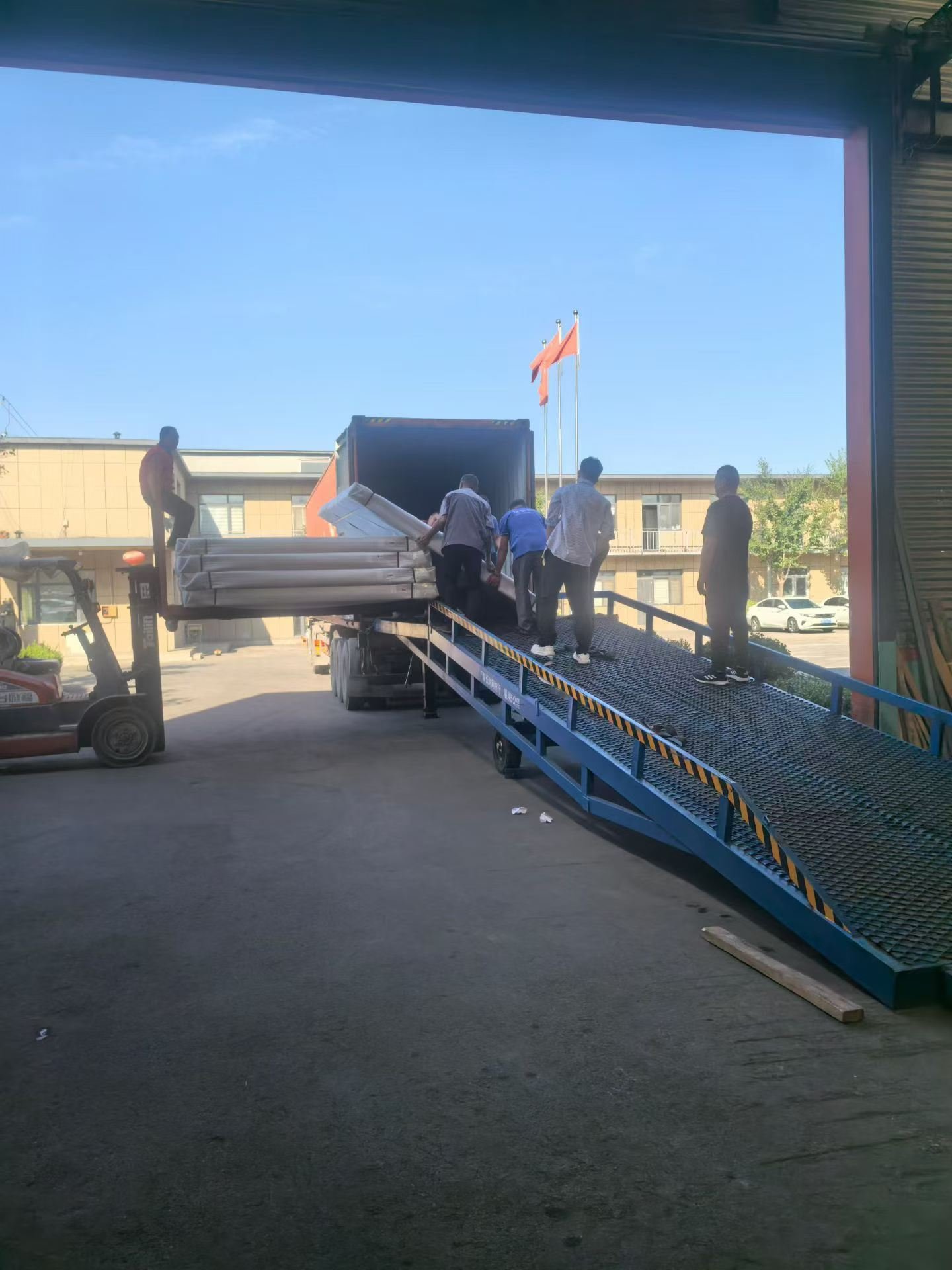
01 路 Transfer to container
Protected packages move from the workshop to the loading platform
The door and frame packages were moved on a loading ramp with forklift support and manual guidance. Long components require controlled handling so corners, faces and prepared hardware locations are not damaged while changing levels.
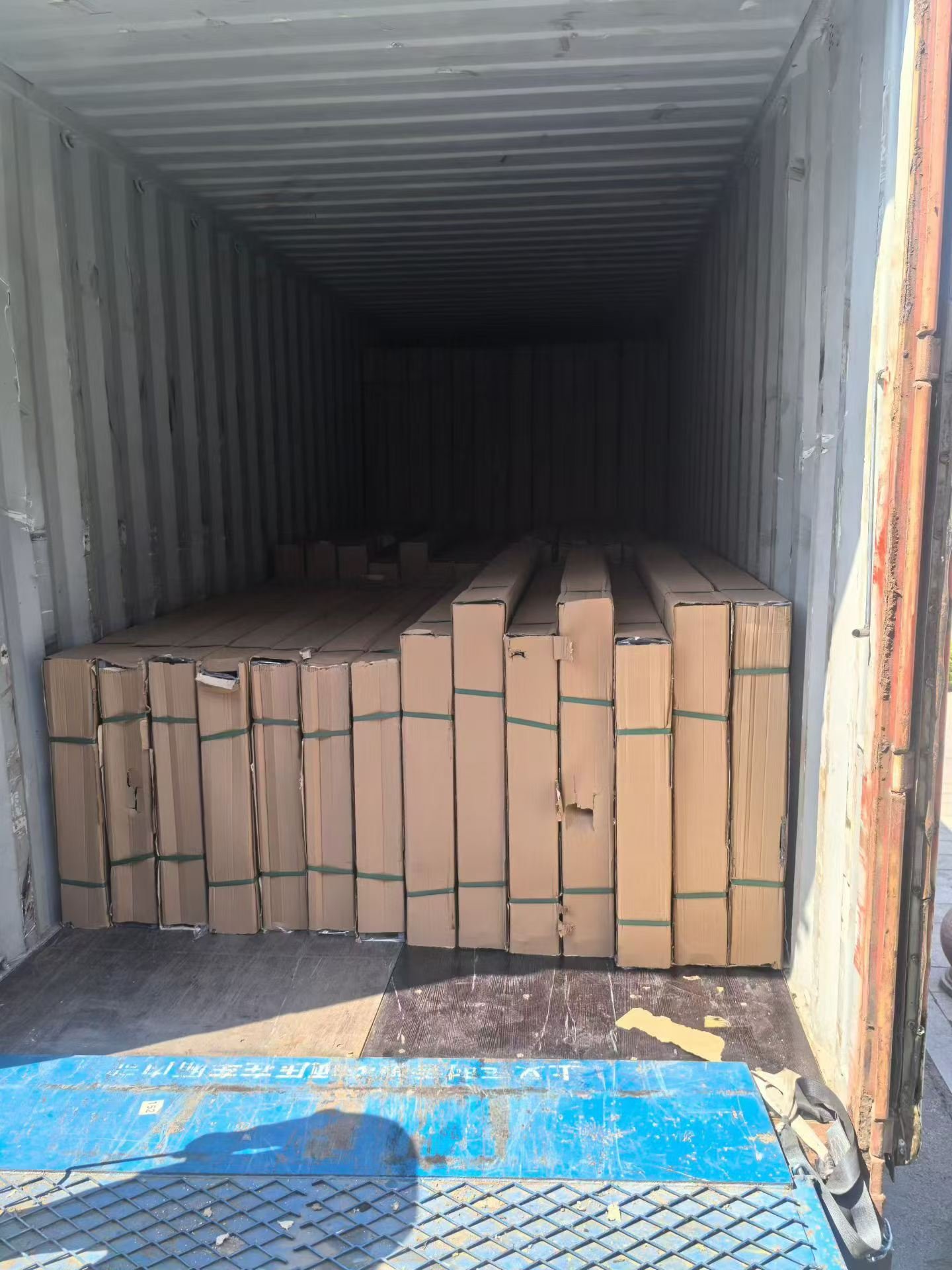
02 路 Stow by size and package
Long cartons are grouped to use container depth efficiently
Packages are positioned according to length, weight and unloading sequence. Bundling and protective wrapping help prevent surface contact, while the arrangement must leave practical access for final securing.
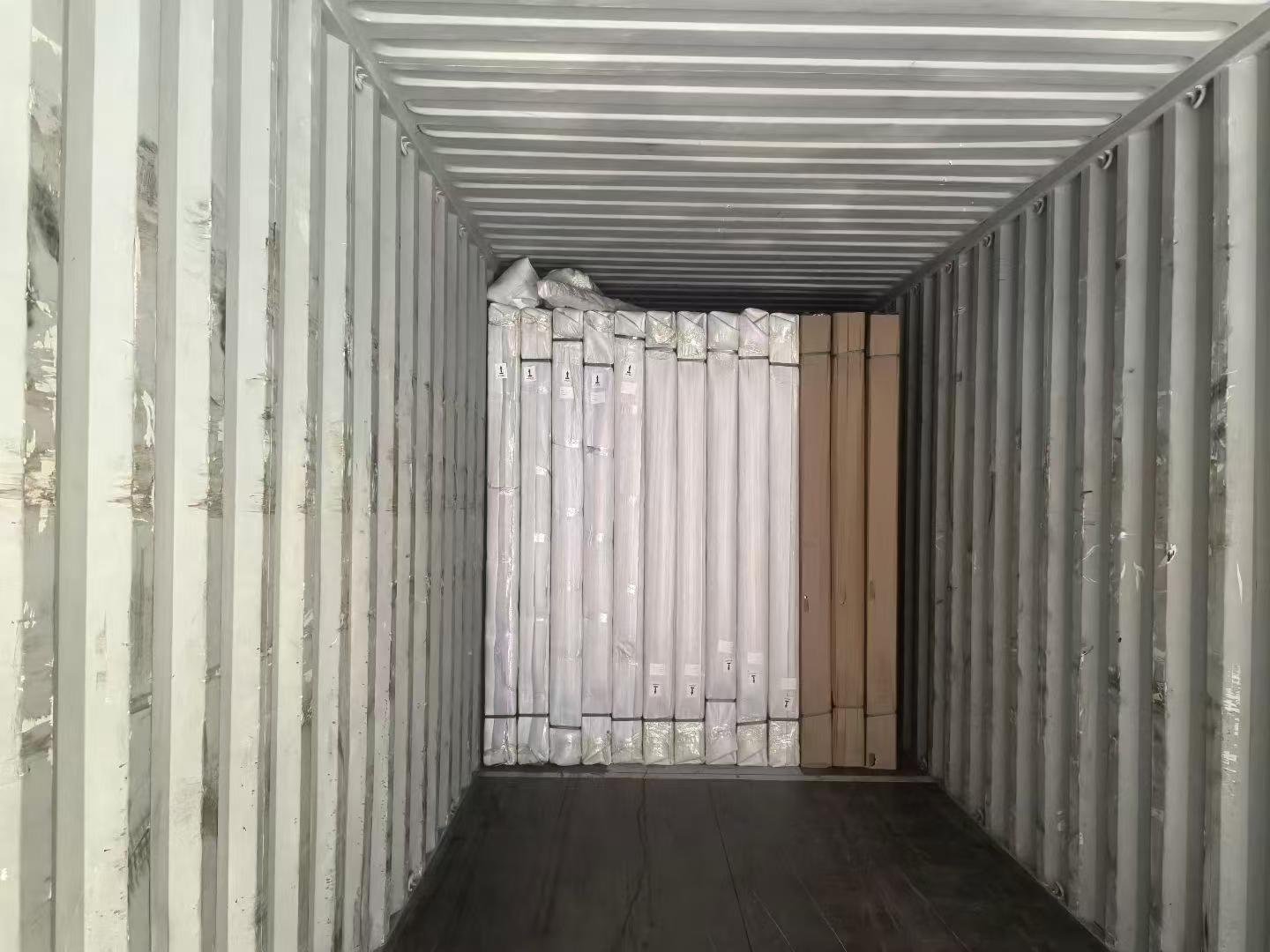
03 路 Final arrangement
Wrapped door packages stand together with boxed components
The final image shows the protected packages consolidated at the end of the container. The objective is not simply to fill space; it is to limit movement during ocean transport and make the receiving sequence easier to control.
How Bastion prepares fire doors for export
Schedule review
Opening marks, quantities, handing, sizes, ratings, frame conditions and hardware preparations are checked against the latest approved door schedule.
Production and identification
Door leaves, frames and related components are manufactured and identified so packages can be matched to the corresponding openings.
Protection for container transport
Faces, corners and long edges receive packaging appropriate to the finish and shipping route. Components are grouped to reduce handling at destination.
Loading record
Loading photographs provide a practical record of package condition and container arrangement before dispatch.
For a broader view of our export workflow, see shipping and delivery. Product teams can also compare fire-rated steel doors and steel door frames before submitting a schedule.
Documents that reduce risk before shipment
| Document or input | Why it matters |
|---|---|
| Door and frame schedule | Connects every opening mark with size, handing, rating, frame and finish. |
| Hardware schedule | Defines preparation locations and avoids field modification of rated openings. |
| Wall and opening details | Confirms frame depth, profile, anchors, sill and installation interface. |
| Certification requirement | Identifies the required listing, label and permitted configuration for the project. |
| Packing and delivery notes | Sets opening-mark labels, bundle sequence, destination and site unloading constraints. |
Receiving checklist for the Canadian site team
When the container reaches site or a local warehouse, the receiving team should check the container seal and visible condition before unloading. Photograph each loading layer, compare package marks with the packing list, isolate any damaged package and protect labels during storage. Fire doors and frames should be stored upright or as required by the manufacturer, in a dry, ventilated area away from ongoing wet work.
Installation is the final part of the rated opening. Field teams should confirm clearances, anchoring, hardware, closing and latching operation, glazing and label visibility against the approved documents and applicable project requirements. Packaging photographs support traceability, but they do not replace inspection of the installed assembly.
Frequently asked questions
Can UL-certified fire doors be supplied for projects in Canada?
Yes, when the project specification accepts the applicable listing and the exact door, frame, glazing and hardware configuration is coordinated. The authority having jurisdiction and project consultant should confirm acceptance.
What information is needed for an accurate quotation?
Send the door schedule, required fire ratings, opening sizes, handing, wall details, frame profiles, finish, glazing and hardware schedule. Destination and delivery timing are also needed for packing and freight planning.
Are fire doors and frames shipped together?
They can be coordinated within one shipment, but packing groups depend on project sequence, component dimensions and unloading conditions. Opening-mark identification should remain consistent across doors, frames and hardware.
Does a loading photograph prove the fire rating?
No. A photograph documents packing and shipment condition. Certification is established through the applicable listing, approved configuration, labels and project documentation.
Planning a fire-door package for Canada?
Send your door schedule and project requirements for a coordinated review of rating, frame, hardware preparation, packing and delivery.